New York City Rental Guide · Neighborhood History
All Aboard the IBX, the MTA’s Newest Addition
From the desk of Jason Mezydlo · @JasonMezydlo
Jason Mezydlo · Managing Sales Partner, Gordon Realty Partners
347.286.5797 · jason@gordonrealtypartners.com · JasonMezydlo.com
622 3rd Avenue, New York, NY
Ask anyone who has tried to get from Sunset Park to Jackson Heights, or from Flatbush to Ridgewood, and you’ll hear the same story. Our subway map was drawn to carry people into Manhattan, so traveling between Brooklyn and Queens usually means riding into the city and back out again, or settling in for a long, slow bus ride across the boroughs. For nearly a million New Yorkers living along one forgotten freight line, that is about to change, and I could not be more excited about it.
The Interborough Express, or IBX, is a planned light rail line that will curve 14 miles through Brooklyn and Queens, from the Brooklyn Army Terminal in Sunset Park to Roosevelt Avenue in Jackson Heights, on tracks that have been here since the 1870s. It is the first new end-to-end rapid transit line built entirely within the city since the G train opened in 1937, and it promises to stitch together neighborhoods that have waited generations for a direct connection. As someone who helps people find homes across both boroughs, I see it as one of the most important real estate stories in New York right now.
This is an ongoing story. I’ve reached out to the Governor’s office, the MTA, City Hall, both borough presidents and the advocates behind the project for comment, and I’ll update this piece as I hear back and as the project moves forward.
Where the Line Will Run
The IBX begins at the waterfront beside the Brooklyn Army Terminal and runs east along the old freight cut through Sunset Park, Borough Park and Kensington, crossing Ocean Parkway and gliding along the southern edge of Brooklyn College and the Junction at Flatbush and Nostrand Avenues. From there it sweeps northeast through East Flatbush toward Canarsie’s edge, then turns north beside the L train through Brownsville and East New York, ducks underground at Broadway Junction, and continues up through Bushwick, Ridgewood and Middle Village before finishing in Elmhurst and Jackson Heights.
Along the way it will stop at 18 stations, every one of them fully accessible, and 13 of them will offer transfers to the subway. All told, riders will be able to connect to 17 subway lines, 51 bus routes and the Long Island Rail Road at East New York and Woodside. The MTA expects the full trip to take about 32 minutes, with trains every five minutes at rush hour.
Stations: 18, all fully accessible, 13 with subway transfers
Connections: 17 subway lines, 51 bus routes, and the LIRR at East New York and Woodside
Travel time: About 32 minutes end to end, every five minutes at rush hour
Riders: More than 160,000 every weekday, projected
Cost: About $5.5 billion, with half funded in the MTA’s 2025–2029 capital plan
Opening: No date announced; officials have pointed to the 2030s
More: ibx.mta.info
A Century-Old Corridor
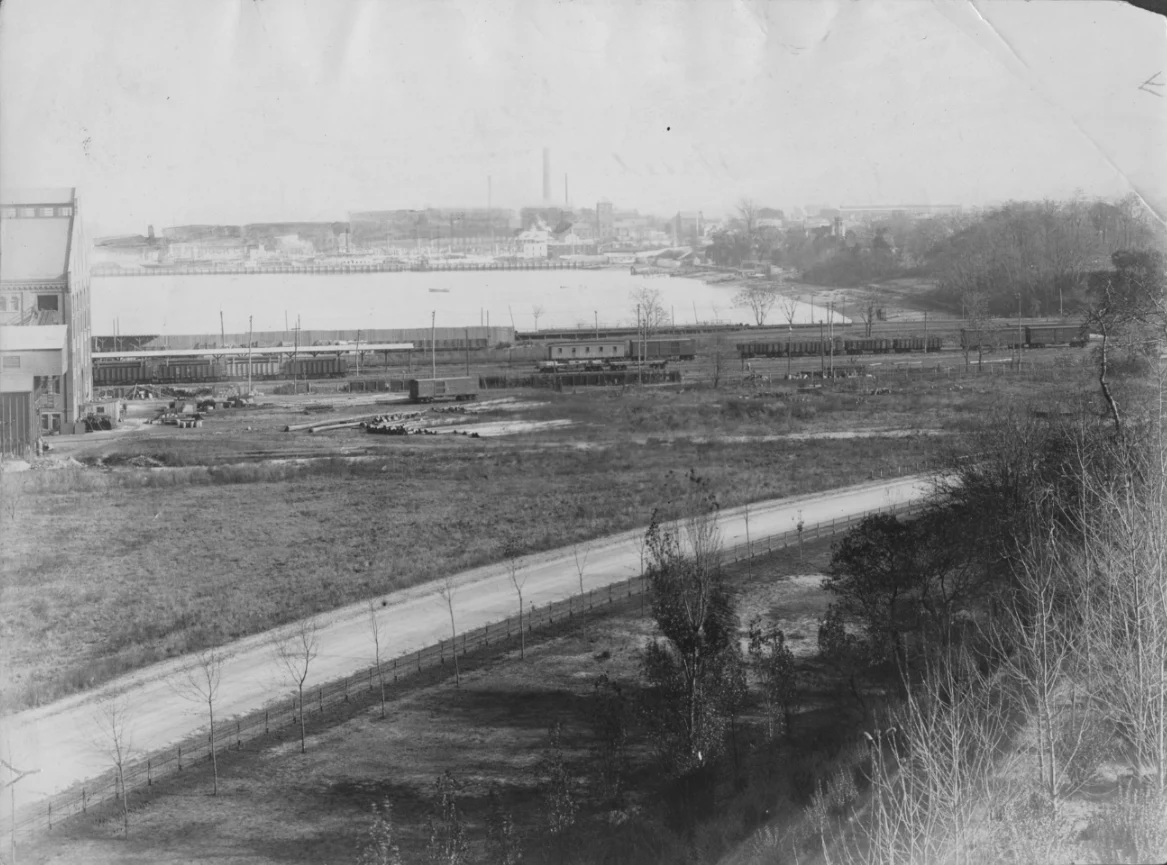
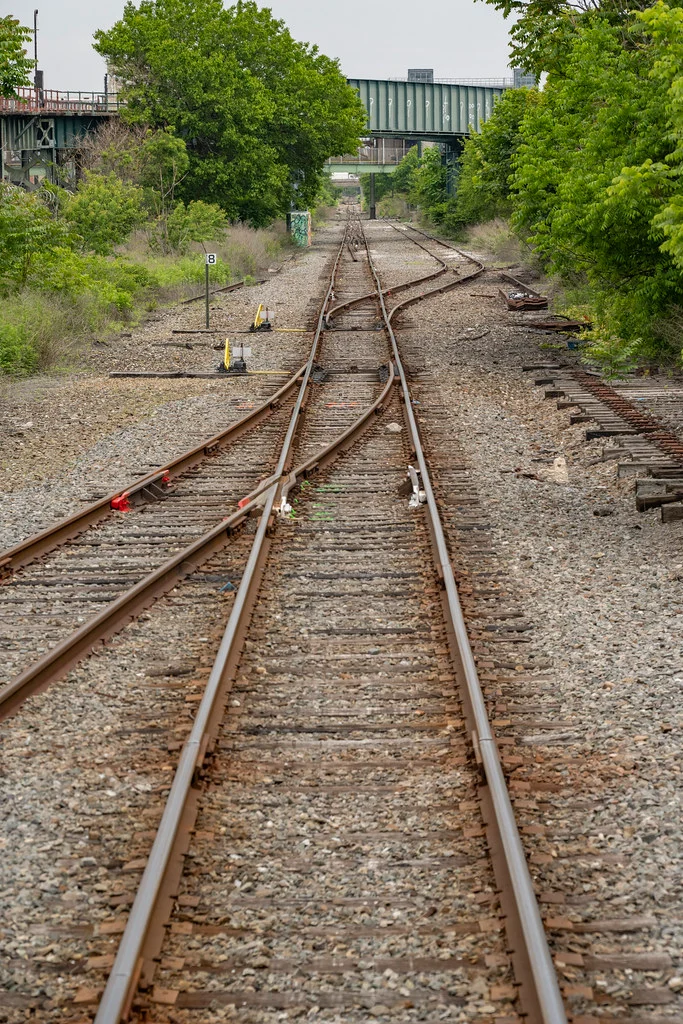
The IBX isn’t being built from scratch, which is part of what makes it so promising. Its route follows the Bay Ridge Branch, a railroad assembled in pieces between 1876 and 1883 by small companies with grand names like the New York, Bay Ridge & Jamaica. For nearly half a century it carried passengers between the harbor and the farms and resorts of Long Island, until passenger service ended in 1924.
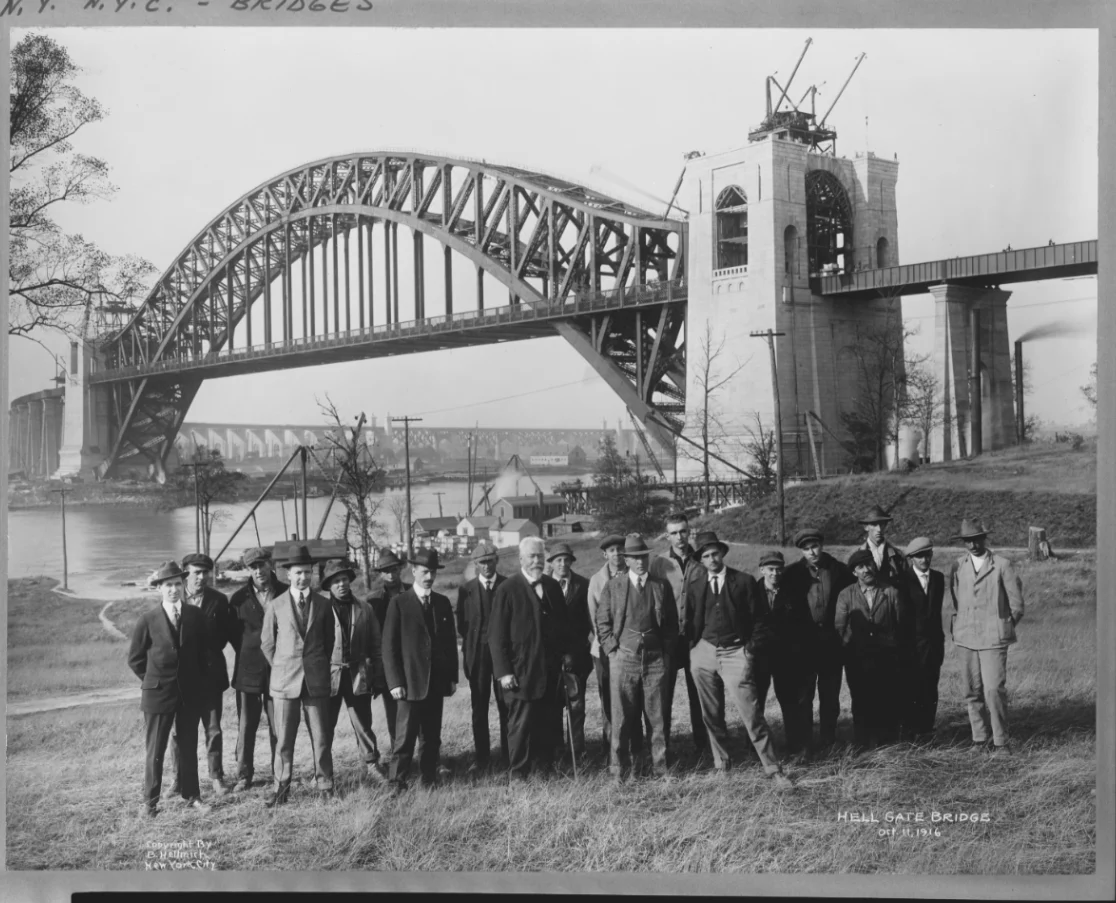
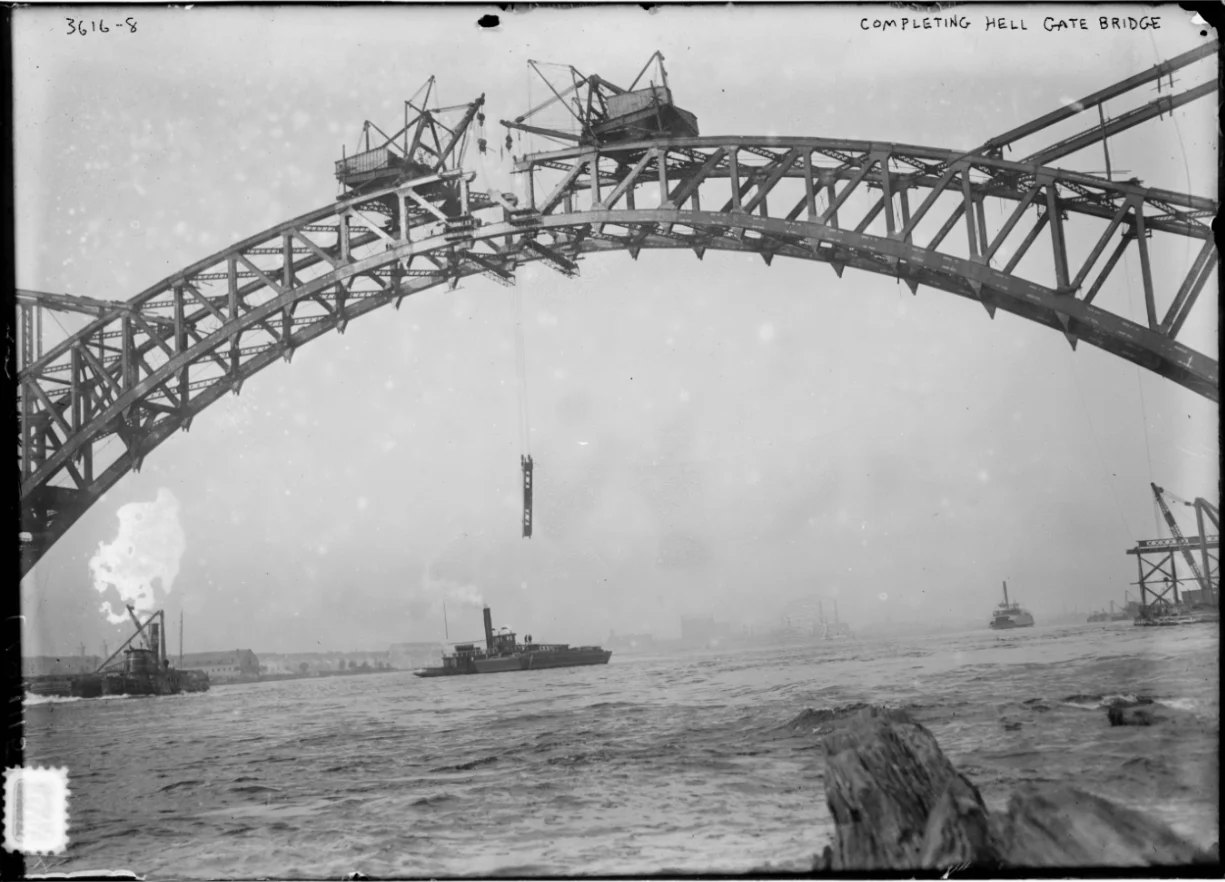
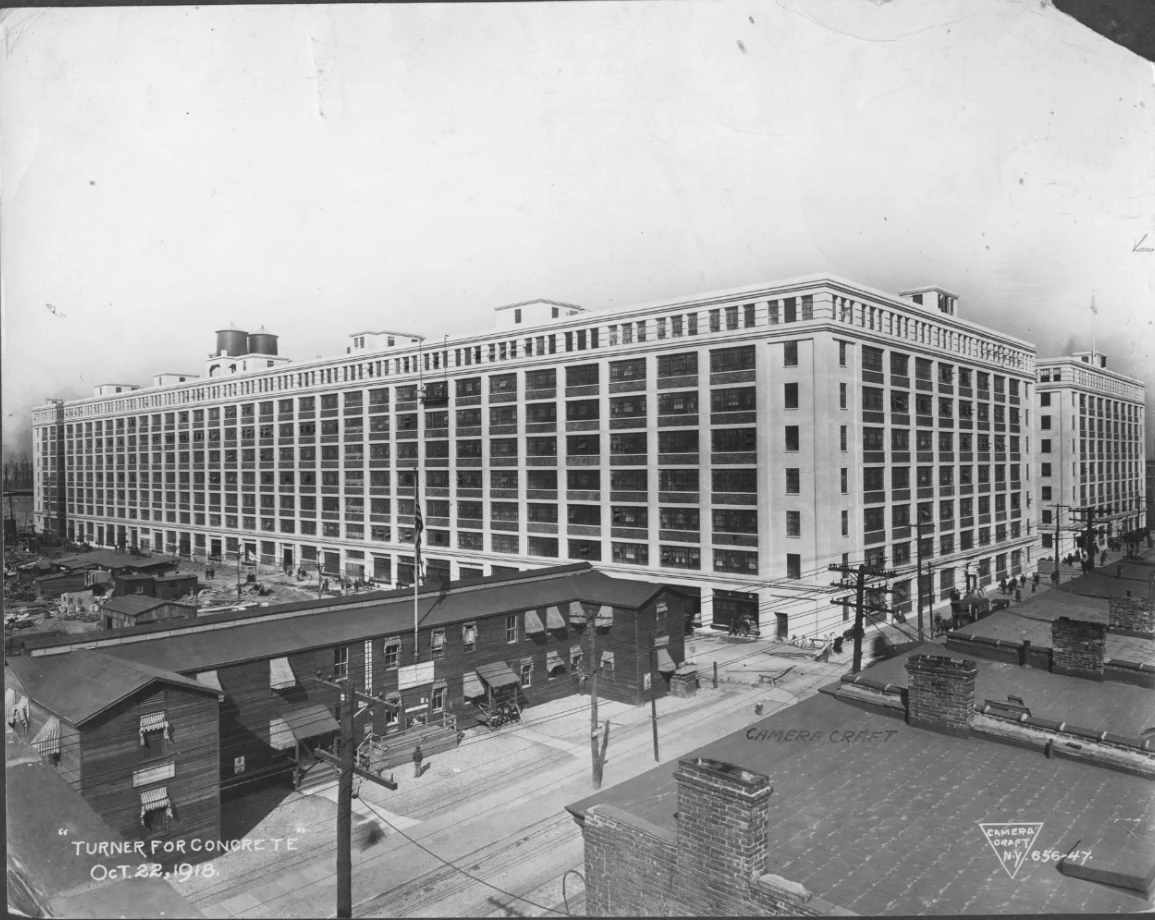
Freight is what kept it alive. When the Hell Gate Bridge opened in 1917, trains from New England could cross the East River, roll south along this line to the yards at Bay Ridge, and continue by car float across the harbor to New Jersey. Through much of the 20th century electric freight locomotives hauled goods along the cut, and the Brooklyn Army Terminal rose beside it in 1919. Today the southern stretch is owned by the Long Island Rail Road and operated by the New York & Atlantic Railway, while the northern miles in Queens belong to CSX. Freight will keep running on its own tracks right alongside the new trains.
From Triboro RX to the IBX
The idea of putting passengers back on this corridor has been around for decades. In 1996, the Regional Plan Association proposed a “Triboro RX” line arcing through Brooklyn, Queens and the Bronx in its Third Regional Plan, and it kept the idea alive in its Fourth Regional Plan in 2017. The Bronx section was eventually set aside because Amtrak’s Hell Gate line has no room to spare, but the Brooklyn and Queens route kept gaining friends. Assemblymember Latrice Walker introduced legislation calling for a feasibility study in 2019, and the MTA hired a consultant to look at it in early 2020.
The real turning point came in January 2022, when Governor Kathy Hochul named the Interborough Express in her State of the State address and unveiled the feasibility study at the Brooklyn Army Terminal. A year later the state chose light rail, which can run on the existing right-of-way for about 96 percent of the route. In 2024 the MTA dropped a plan to run trains on city streets in Middle Village in favor of a short tunnel beneath All Faiths Cemetery, and in 2025 the project earned $2.75 billion in the MTA’s capital plan, the only expansion project in that $68 billion program.
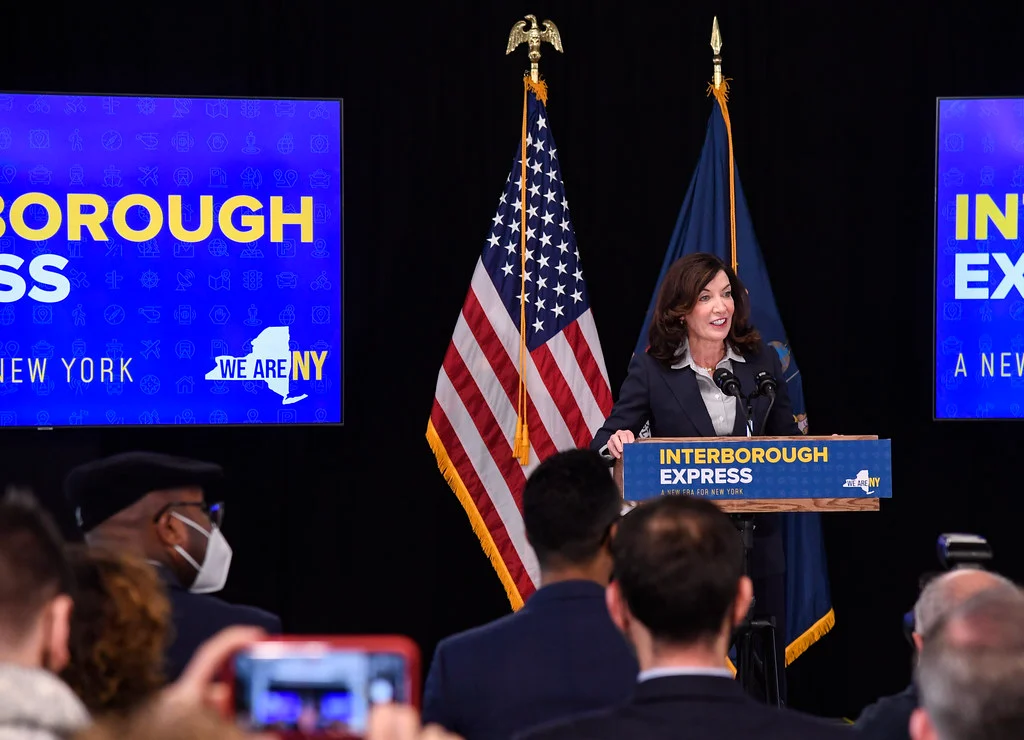
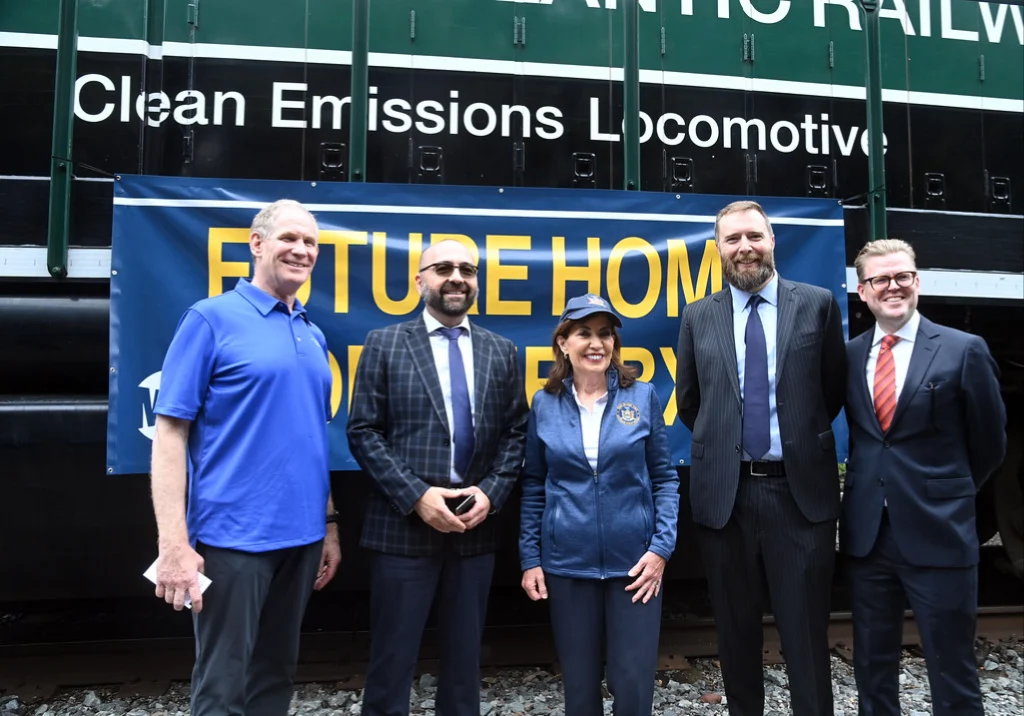
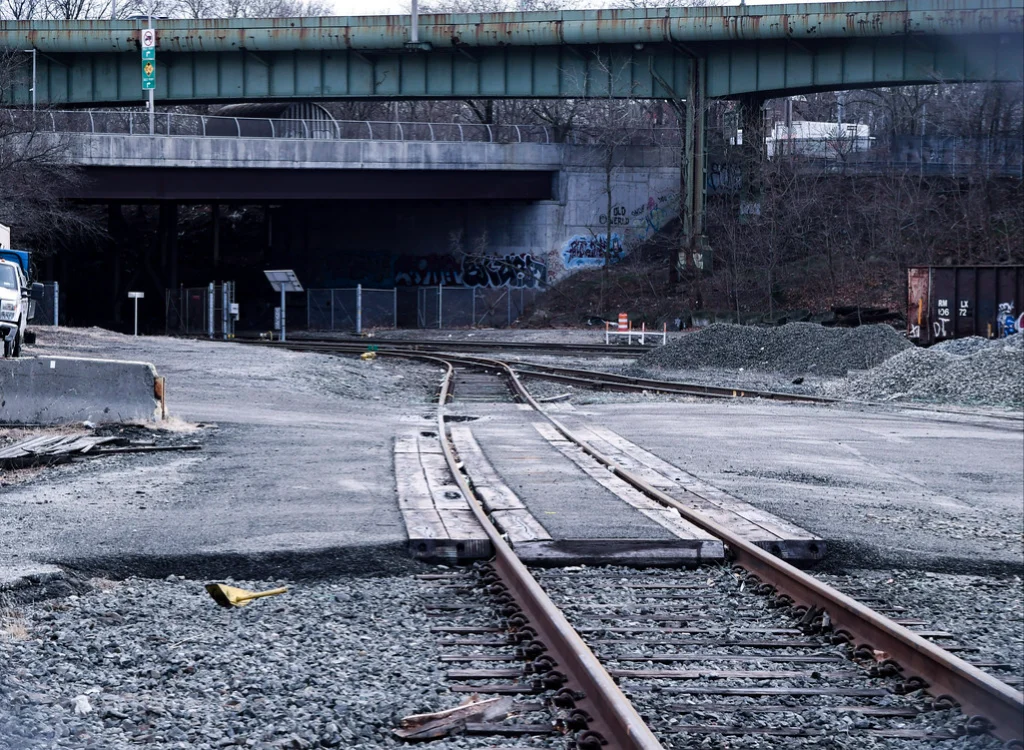
Since then the pace has picked up. A design team led by Jacobs and HDR came on board in 2025, the state environmental review began that October, and this spring the MTA held workshops with all 14 community boards along the route. Early this year the plan was refined to 18 stations, with the Atlantic Avenue stop moved north to connect with the A and C trains at Broadway Junction. In September, the Governor announced that the Draft Environmental Impact Statement is coming ahead of schedule, in the final months of 2026.
The People Moving It Forward
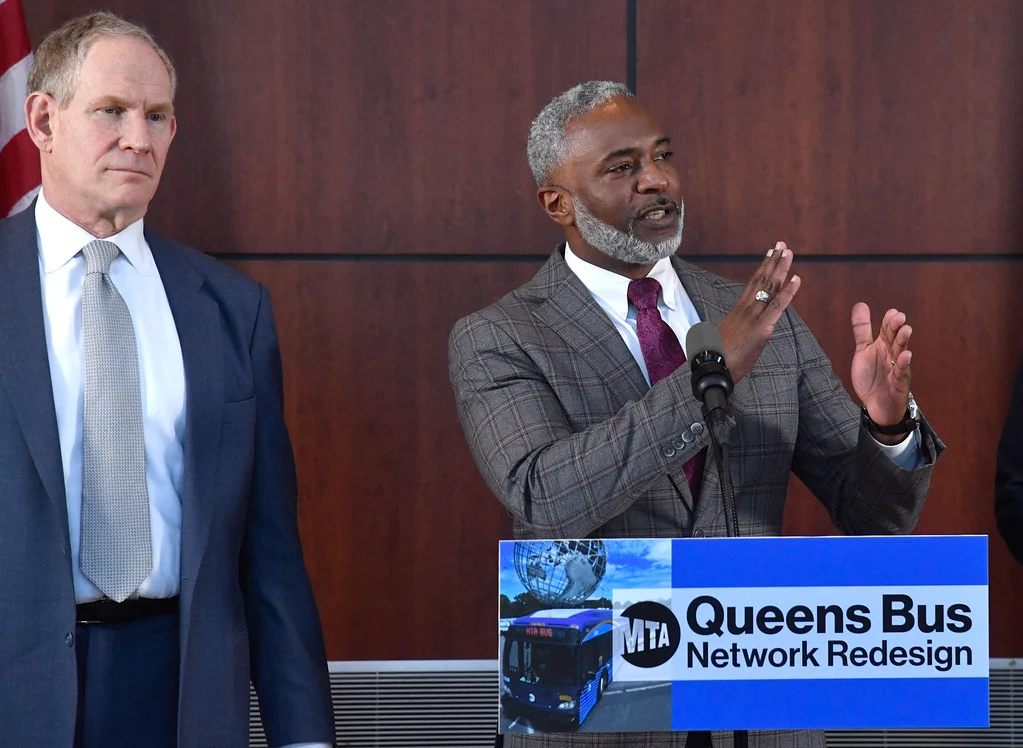
Big transit projects need champions, and the IBX has gathered a remarkable coalition. Governor Hochul has made it a signature project, steering it from feasibility study to design and pledging to keep it moving even if federal dollars are slow to arrive. MTA Chair and CEO Janno Lieber has been the agency’s public face at every milestone, and MTA Construction & Development President Jamie Torres-Springer leads the team designing it, with accessibility built in “from day one.”
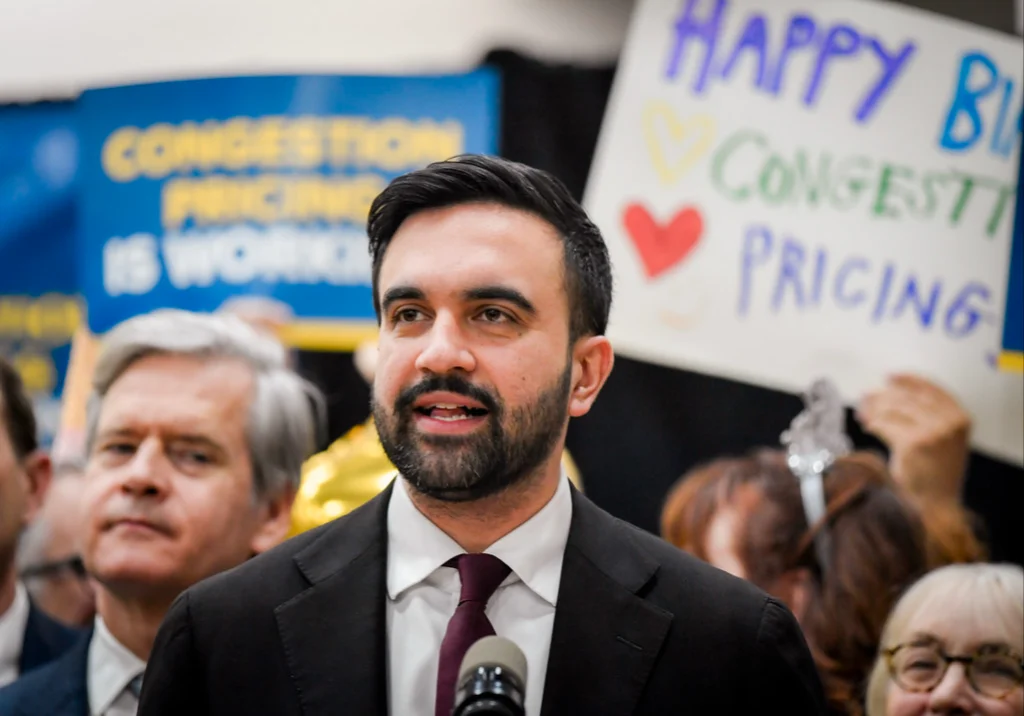
Outside government, the Regional Plan Association, led by President and CEO Tom Wright, has championed the line since it first sketched the Triboro concept, and today it runs the Interborough Coalition to build support along the route. Riders Alliance has pushed for the project for years, and the New York Building Congress has mapped out how much new housing the corridor could hold.
Borough leaders are on board, too. Brooklyn Borough President Antonio Reynoso has fought publicly for its funding, and Queens Borough President Donovan Richards Jr. has backed it since the 2022 launch, calling for full accessibility at every station. At City Hall, Mayor Zohran Mamdani’s administration has said it supports the IBX, and in May the city’s planning department described a new housing push in Brooklyn as “aligning future growth with the IBX corridor.”
Who It Will Serve
This is the part of the story that moves me most. The IBX runs through 15 neighborhoods: Sunset Park, Borough Park, Kensington, Midwood, Flatbush, Flatlands, East Flatbush, Brownsville, East New York, Bushwick, Ridgewood, Middle Village, Maspeth, Elmhurst and Jackson Heights. According to the MTA, close to 900,000 people live along the route and some 260,000 work there, and many of them have been underserved by transit for generations.
The numbers make the case plainly. The MTA reports that more than a third of residents along the corridor live below the federal poverty line, and its planning studies found that about half of the households near the line don’t own a car. For those families, a trip across the borough line can mean a long ride into Manhattan and back out, or a bus stuck in traffic. The IBX is designed for exactly those trips, with about 70 percent of riders expected to transfer to or from another line.
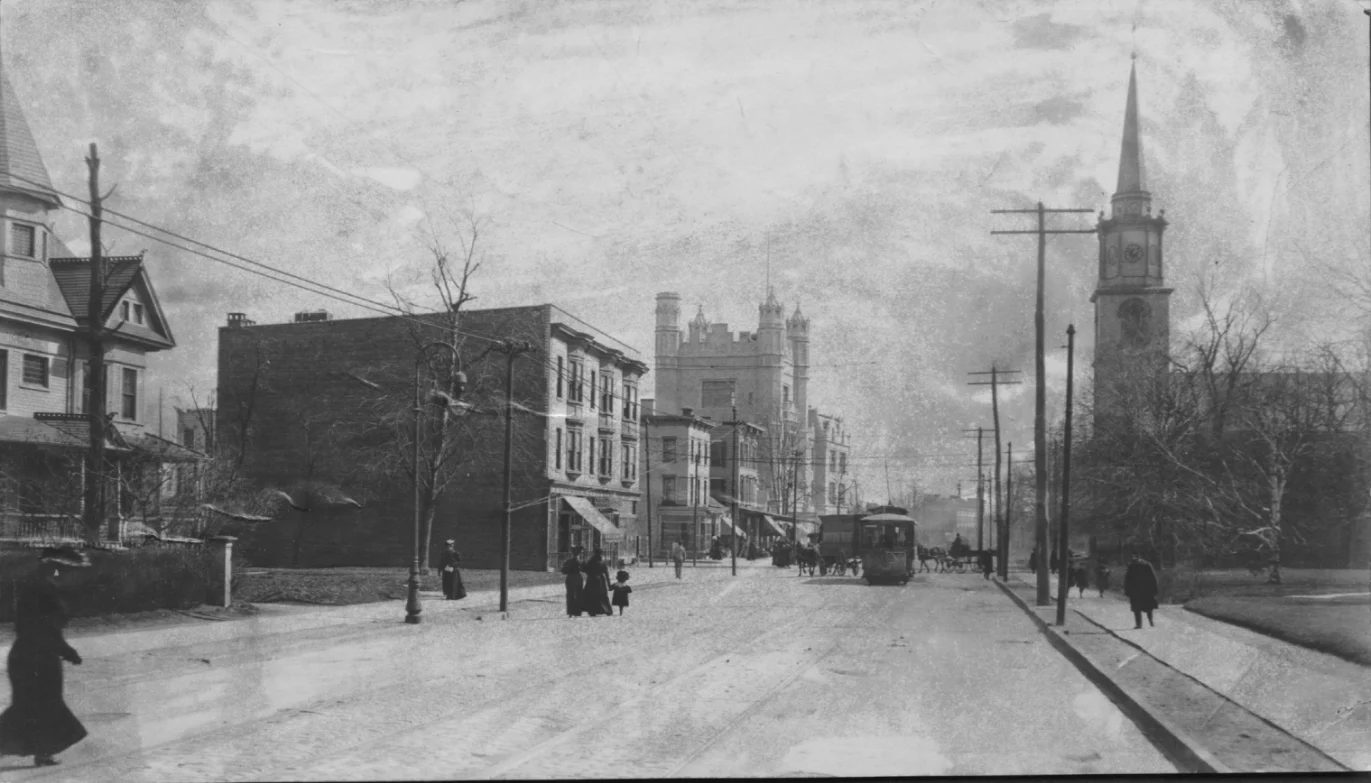
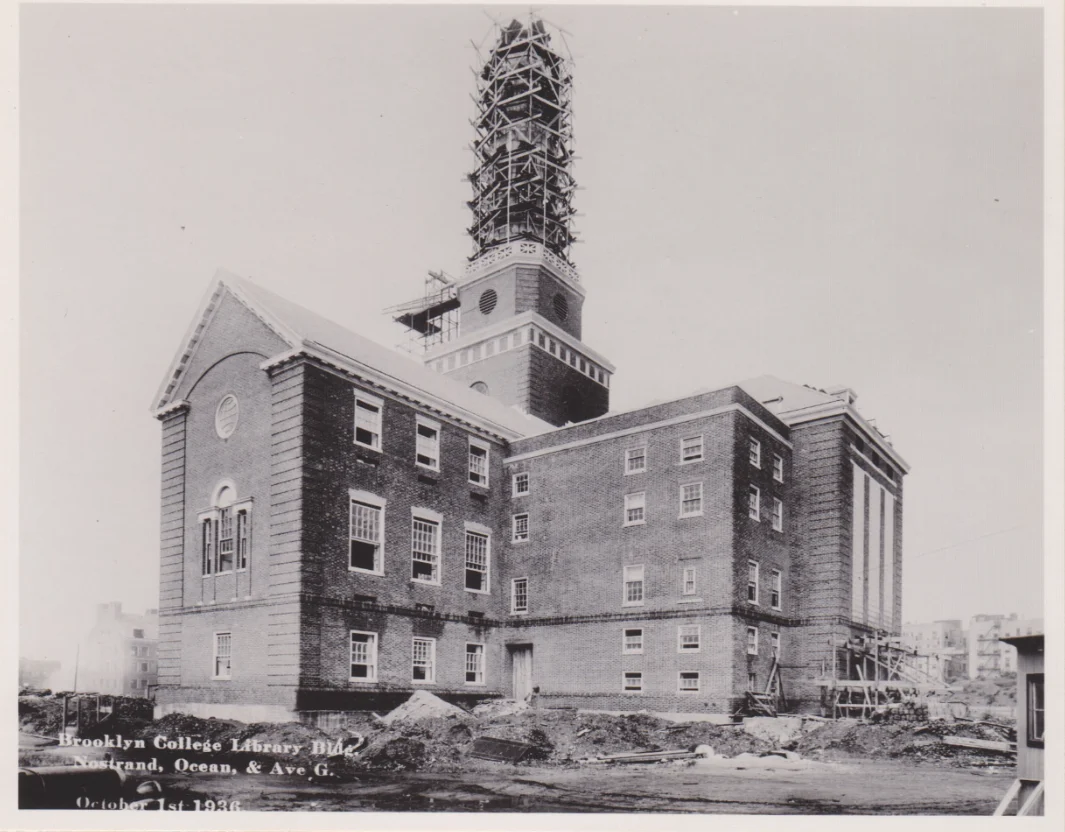
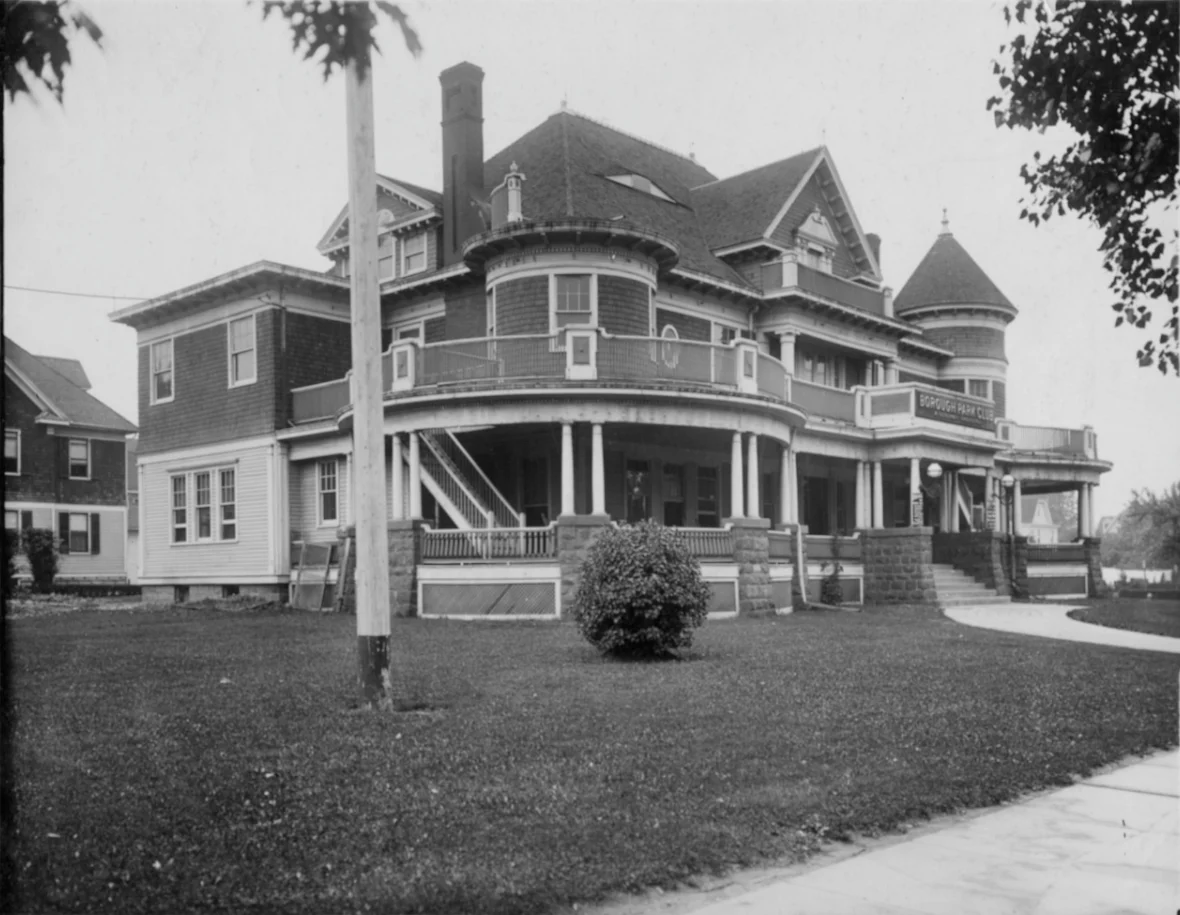
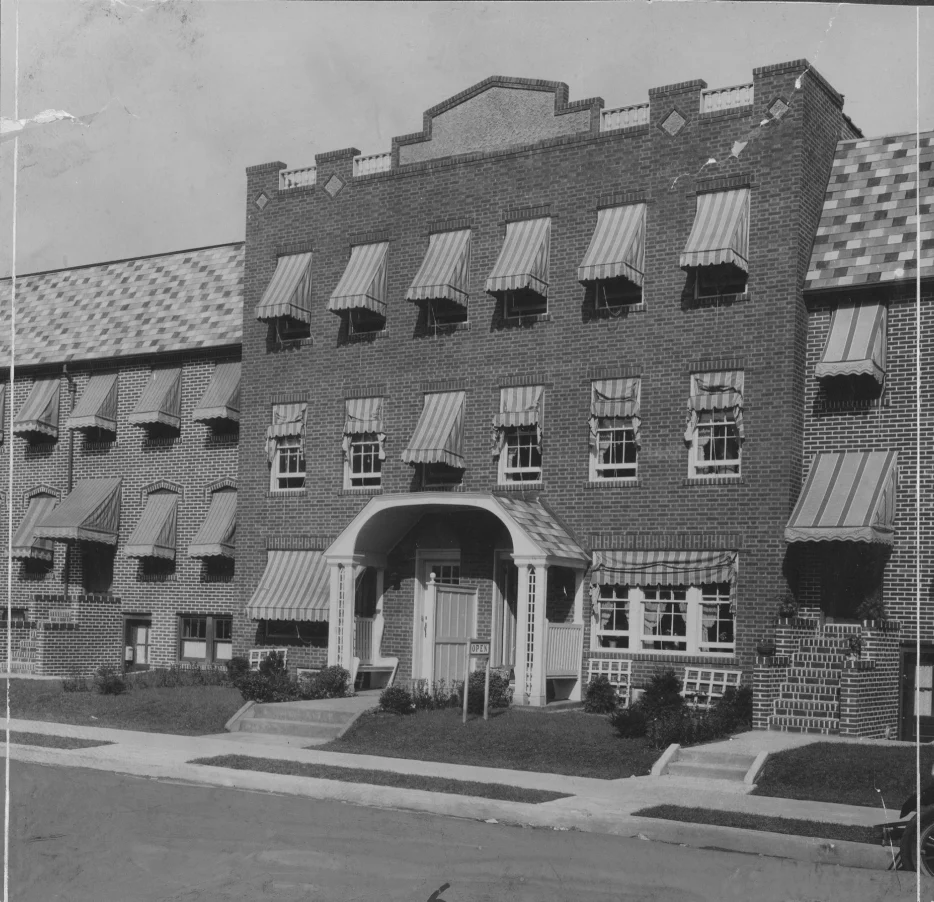
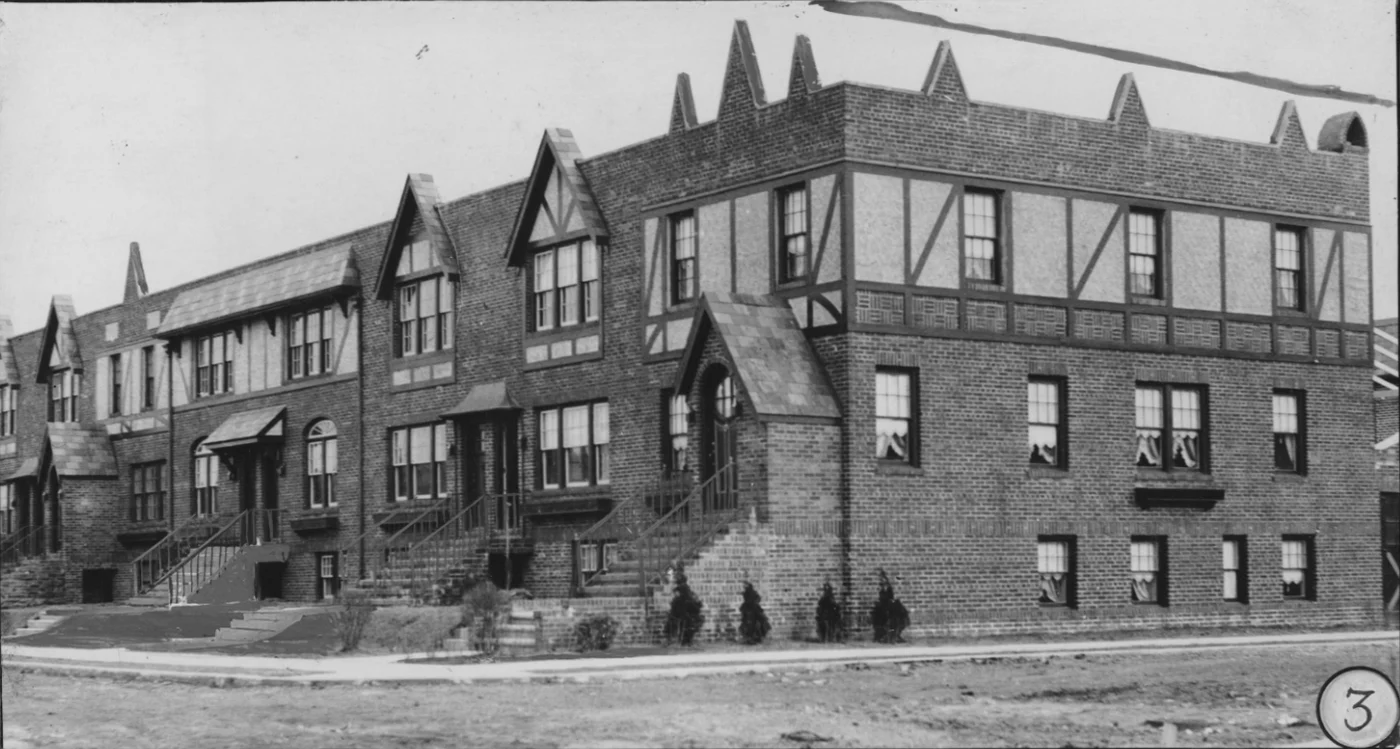
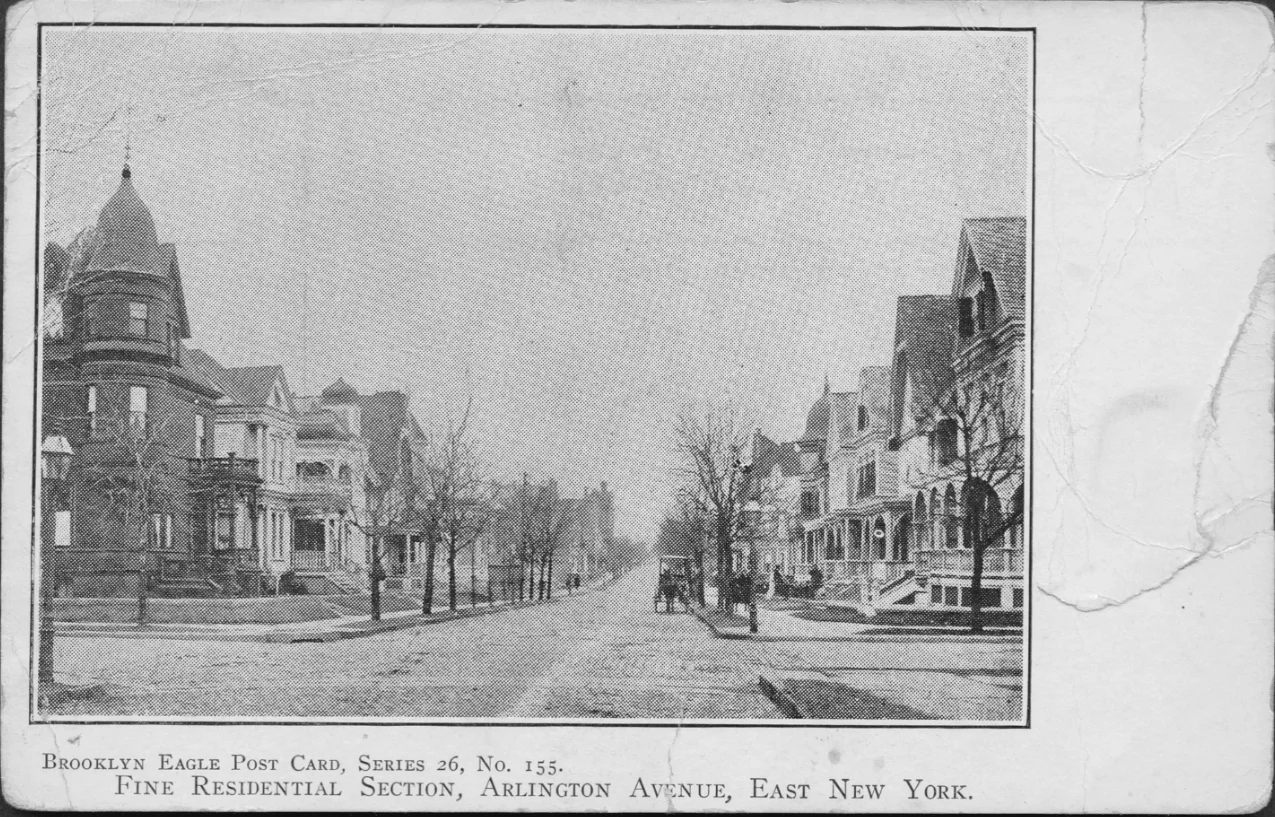
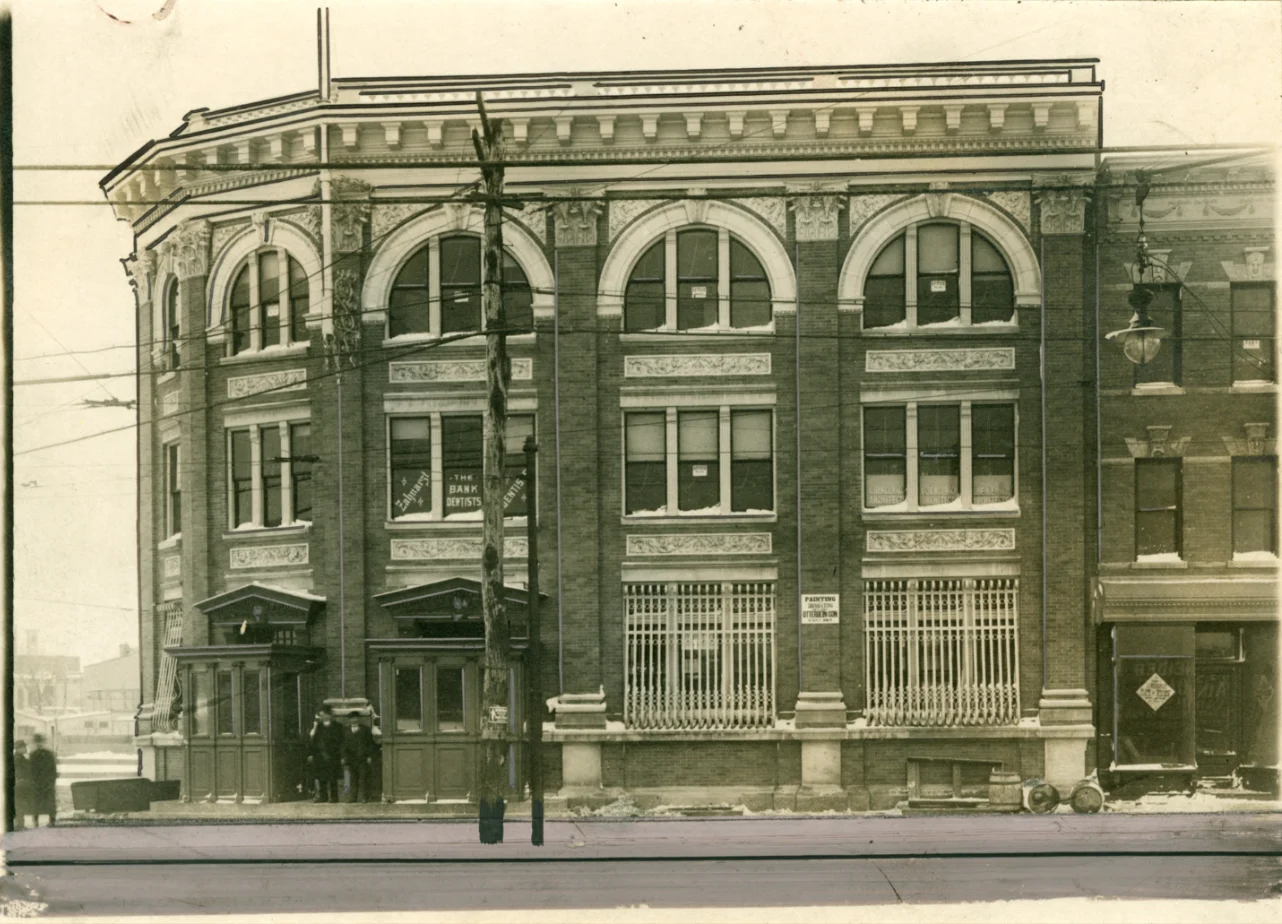
These are neighborhoods with deep roots and big personalities, from the Victorian blocks of Flatbush to the Tudor row houses of East Flatbush and the brick streets of Ridgewood. Many grew up around trolley lines that disappeared long ago. The IBX gives them something they have rarely had: a fast, direct way to reach each other, and to reach the jobs, schools, hospitals and parks on the other side of the borough line.
What It Could Mean for Property Values
Whenever a new line is announced, my clients ask the same question: what will it do to prices? No one can promise what a future train will do to any one block, but history gives us some strong clues. When researchers from Columbia and NYU studied the Second Avenue Subway, they found that condo and co-op prices along the new line rose about 8 percent relative to the rest of the Upper East Side, and roughly 11 percent against the years before construction began, creating billions of dollars in value. Studies of light rail lines from Jersey City to Minneapolis and Portland have found similar premiums for homes within walking distance of a station.
The IBX could also bring something New York needs even more than higher values, which is more homes. The New York Building Congress estimates that more than 70,000 new homes could be built within a half mile of the stations with the right zoning, and the city is already studying new housing along corridors like Coney Island and McDonald Avenues. For buyers and investors, that combination of better transit and new investment is exactly what I watch for. For renters, it means more choices, and in the Second Avenue study, asking rents rose far less than sale prices, only about 2 percent.
Quality of Life Along the Line
The everyday benefits are just as exciting. State officials say the IBX could cut some Brooklyn-to-Queens trips by up to 30 minutes each way, and the MTA’s own example of a commute from Bushwick to the Brooklyn Army Terminal drops from 67 minutes to 41. From the Roosevelt Avenue station, the area a rider can reach within 30 minutes grows by 53 percent, putting about 400,000 more jobs, and hundreds more health care and child care centers, within easy reach.
It’s good for the air, too. The MTA calculates that the IBX will take about 72,000 car miles off the road every day, more than 21 million a year, and avoid more than 13,000 metric tons of greenhouse gases annually. And because every station will be accessible, the project is already bringing elevators and upgrades to nearby subway stations, from Junius Street and Livonia Avenue to Broadway Junction and Avenue I.
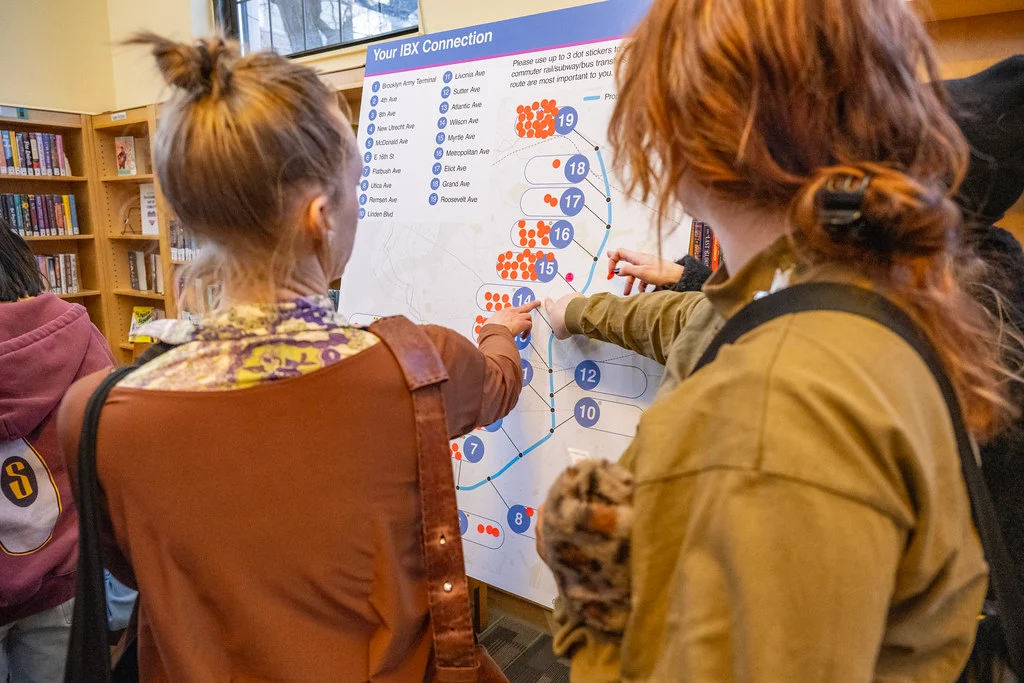
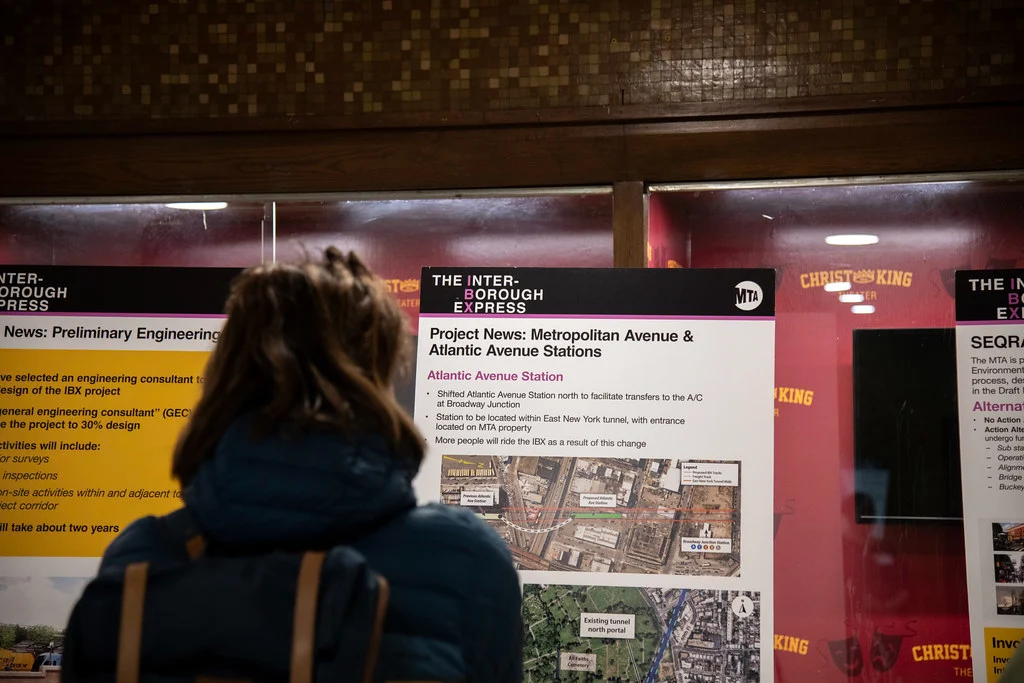
What Comes Next
The next big milestone is the Draft Environmental Impact Statement, expected before the end of this year, followed by public hearings and continued design work through 2027. That review will answer the questions neighbors are asking, about noise, construction and the small number of properties the MTA says it will need. Some residents in Middle Village and Maspeth have raised concerns about the Eliot Avenue and Grand Avenue stations, and I think it’s healthy that those conversations are happening in the open.
Funding is the other piece to watch. Half of the $5.5 billion cost is committed, and the MTA is lining up options for the rest as it waits on Washington. There’s no official opening date yet, though officials have pointed to the 2030s. If you’re thinking about buying or renting along the corridor, the time to start paying attention is now, while the plans are still taking shape. I’ll be following every step, and I’ll keep this piece updated as the story unfolds.
Make the Corridor Your Home
From Sunset Park to Jackson Heights, the neighborhoods along the IBX are some of the most exciting places to rent, buy or invest in New York right now. Whether you’re looking for your first apartment near a future station or a home to hold for the long run, I’d love to help you find it. I’m currently offering an off-market, renovated three-bedroom house in East Flatbush, about a mile from two planned stations, with the address shared by request only.
Reach out to me at 347.286.5797, jason@gordonrealtypartners.com, or JasonMezydlo.com, and follow along on Instagram at @JasonMezydlo for homes, neighborhoods and design ideas.
Sources
- Interborough Express, MTA
- Governor Hochul Announces Interborough Express Project Design and Environmental Review Milestones, Office of the Governor (September 2026)
- Interborough Express project page, MTA
Show all 27 sourcesShow fewer
- About the IBX, MTA
- Interborough Express Advancing From Planning to Active Phase, Office of the Governor (August 2025)
- Governor Hochul Announces Light Rail for the Interborough Express, Office of the Governor (January 2023)
- Governor Hochul Releases Feasibility Report on the Interborough Express, Office of the Governor (January 2022)
- MTA to Commence Environmental Assessment of the Interborough Express, Office of the Governor (October 2025)
- Interborough Express Will Eliminate 21.8 Million Car Miles a Year, MTA (April 2026)
- Interborough Express Open House Presentation, MTA
- Interborough Express Presentation to Queens Community Board 2, MTA (2026)
- A Gift to the Region: RPA’s Triboro Line Is Now the Interborough Express, Regional Plan Association (December 2025)
- The Interborough Coalition, Regional Plan Association
- Interborough Express Feasibility Study and Alternatives Analysis, Interim Report, MTA
- Hell Gate Bridge Centennial, Amtrak History
- The Bay Ridge Branch, Forgotten New York
- Take the Q Train: Value Capture of Public Infrastructure Projects, Gupta, Van Nieuwerburgh and Kontokosta
- Building Along the IBX, New York Building Congress (June 2025)
- Mamdani Targets Brooklyn Corridors for Major Housing Push, The Real Deal (May 2026)
- MTA Buries Plan to Run Brooklyn–Queens Train on City Streets, Streetsblog NYC (October 2024)
- IBX Environmental Review and Design Chug Along, Queens Chronicle (June 2026)
- Homeowners Protest Construction of Interborough Express Station in Queens, NY1 (September 2026)
- MTA Lines Up New Funding to Keep the Brooklyn–Queens Line on Track, Patch (May 2026)
- MTA photo library, Metropolitan Transportation Authority, Flickr
- Digital Collections, Brooklyn Public Library, Center for Brooklyn History
- Prints & Photographs Online Catalog, Library of Congress
- Brooklyn College Library, Living New Deal
About Jason Mezydlo
Jason Mezydlo is Managing Sales Partner at Gordon Realty Partners and has worked in New York City real estate since 2012. A graduate of the Harrington College of Design with a BFA in interior design, he brings a designer’s eye to every search, helping clients see what a space can become before they sign. Jason began his career in commercial leasing, guiding small business owners through site selection, lease negotiation and space planning, before moving into Manhattan’s luxury rental market and home sales across Manhattan and Brooklyn. A longtime Brooklyn resident, he pairs market expertise with a deep love for the city’s history, art and architecture.
347.286.5797 · jason@gordonrealtypartners.com · JasonMezydlo.com · @JasonMezydlo
Gordon Realty Partners · 622 3rd Avenue, New York, NY · NYS Licensed Real Estate Salesperson