New York City Rental Guide · Your Questions, Answered
The Pied-à-Terre Tax, What It Covers and What It Doesn’t
From the desk of Jason Mezydlo · @JasonMezydlo
Jason Mezydlo · Managing Sales Partner, Gordon Realty Partners
347.286.5797 · jason@gordonrealtypartners.com · JasonMezydlo.com
622 3rd Avenue, New York, NY
New York City’s pied-à-terre tax is real, it’s on the books, and as of this week it has cleared its first big test in court. On November 4, a state appeals court reversed a Staten Island judge’s ruling that had thrown the city’s rollout into question, and the first bills are due with property taxes on January 1, 2027.
The idea is simple enough: an annual surcharge on expensive homes in the city that nobody lives in full time. The details are where people get tripped up, and my phone has been busy. Owners want to know if they’re on the hook, buyers want to know what it does to the math on a second home, and plenty of people who will never pay it want to know who does and where the money goes. So here’s what I’ve been telling clients, all in one place.
A quick note before we dive in: I don’t take a side on this one. My job is to make sure the people I work with understand the rules and make smart moves under them. I’m also a broker, not a tax attorney or an accountant, so think of this as a plain-English guide to help you ask the right questions, and bring anything specific to your own tax professional.

The Tax at a Glance
The short version: if you own a high-value home in New York City that isn’t anyone’s primary residence, you’ll likely see a new line on your property tax bill every year through mid-2031.
| Condos and co-opscity value | Rate | Houses, 1 to 3 familiesmarket value | Rate |
|---|---|---|---|
| $1M to $3M | 4% | $5M to $15M | 0.8% |
| $3M to $5M | 5.25% | $15M to $25M | 1.05% |
| $5M and up | 6.5% | $25M and up | 1.3% |
One number trips everyone up. That $1 million line for condos and co-ops is the value the city puts on a unit for tax purposes, not what it would sell for. Because of the way the city values apartments, that figure usually sits far below the price a buyer would actually pay, which is why the apartment threshold looks so much lower than the $5 million line for houses. To see where yours stands, look up your unit’s value on the Department of Finance’s property tax site.
What It Covers
The surcharge applies to residential property in the five boroughs that isn’t a primary residence: condos, co-op apartments, and one-, two- and three-family homes above the value lines in the table. It shows up on the property tax bill and is collected the same way, and the regular tax breaks you might get on a property, like abatements and exemptions, can’t be used to shrink it.
It comes in two phases. Through June 2028, condos and co-ops are taxed on the city’s current valuation at the higher rates in the table. Starting July 1, 2028, the city switches to a new valuation model built on comparable sales, the condo and co-op line moves up to $5 million, and apartments are taxed at the same 0.8% to 1.3% rates as houses. The whole thing sunsets on June 30, 2031 unless Albany renews it.
Who actually pays. The legal owner of record pays, whether that’s a person, an LLC, a corporation or a trust. When a property is held by an LLC or a trust, the city looks through to the people behind it to decide whether it counts as someone’s primary home.
What It Doesn’t Cover
This is where most of the good news lives, and it’s why the number of owners actually paying keeps shrinking.
Your primary home
The ruleIf you live there more than half the year, it’s exempt, no matter how much it’s worth.
What helpsA tax return or a DMV-issued ID showing the address as your home.
A home your family lives in
The ruleExempt if it’s the primary home of a spouse, child, sibling, parent, grandparent or grandchild of the owner.
What helpsTheir tax return or other proof that they live there most of the year.
A home rented to a year-round tenant
The ruleExempt if it’s rented at arm’s length, on a lease of at least one year, to someone who lives there.
Worth knowingShort-term and seasonal rentals don’t count. A one-year lease to a real tenant does.
Homes below the value lines
The ruleHouses under $5 million and condos or co-ops under $1 million in city value are untouched for now.
Worth knowingThe apartment line moves to $5 million under the new valuation model in 2028.
Renters
The ruleThe surcharge is billed to owners, not tenants. Nothing in the law adds it to anyone’s rent.
Worth knowingIf you rent a luxury condo, your lease is actually what keeps your landlord exempt.
Anything outside the five boroughs
The ruleIt’s a New York City tax only. Weekend places in the Hamptons, the Hudson Valley or Westchester aren’t covered.
Worth knowingAt least one state senator has proposed expanding it upstate and to Long Island, so watch this space.
The sale itself
The ruleIt’s an annual charge for owning, not a tax on buying or selling. Transfer taxes and the mansion tax are separate.
Worth knowingFor buyers, that makes it a carrying cost, so it belongs in the monthly math.
Offices, stores and other commercial space
The ruleThe surcharge is aimed at homes. Commercial property isn’t part of it.
Worth knowingMixed-use buildings can be complicated, so get a professional read on yours.
Where the Money Goes
The pitch from Governor Hochul and Mayor Mamdani was straightforward: use the city’s most valuable empty apartments to help close New York City’s budget gap. When the governor proposed it in April, her office said the money would help pay for the basics, like policing and parks, alongside an extra $1.5 billion the state put into the city’s budget. City Council Speaker Julie Menin backed it as a way to fund “the vital services New Yorkers rely on.” It isn’t set aside for a single program. It goes toward the city’s budget as a whole.
How much it will raise is the open question. The governor’s office projected at least $500 million a year. City Comptroller Mark Levine’s office estimated closer to $340 to $380 million once you account for exemptions and owners changing how they use their homes. Since then, the Department of Finance has granted more than 8,800 exemption requests, and reporting in October put the number of owners likely to pay at fewer than 9,000. The first real answer comes when the January bills are paid.
Where It Hits Hardest
Manhattan, by a mile. In the Comptroller’s analysis, roughly nine out of ten potentially affected properties are in Manhattan, and condos make up the biggest share of all. That points straight at the luxury towers, especially the 57th Street corridor known as Billionaires’ Row, where buildings were marketed to buyers from around the world as second homes. Analysts watching that market expect the mid-tier luxury units, the ones with plenty of similar options around them, to feel it more than the one-of-a-kind penthouses.
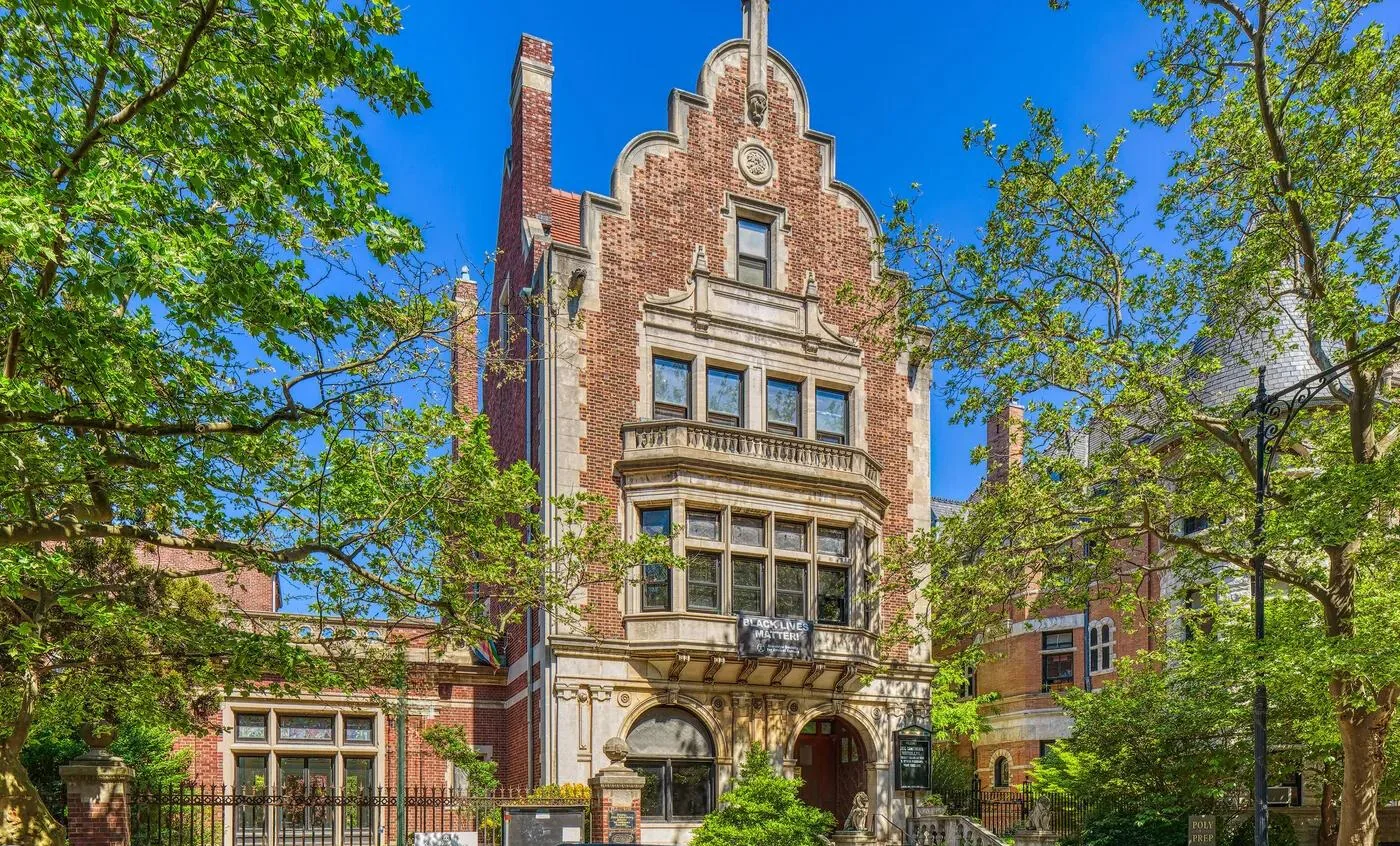
Brooklyn, in a different way. Brooklyn accounts for about a tenth of potentially affected properties, and almost all of them are houses, not condos or co-ops. That means the brownstone and townhouse blocks where homes trade above $5 million, the kinds of streets you find in Brooklyn Heights, Cobble Hill and along Prospect Park West. Queens, the Bronx and Staten Island barely register.
What I’m watching. Owners who don’t live in their apartments have three basic choices: pay it, rent the place out on a real one-year lease, or sell. If a meaningful number pick the second option, that could mean more high-end rentals coming on the market. If they pick the third, buyers in certain luxury buildings may find more inventory and more room to negotiate. Either way, it’s worth paying attention to over the next year.
The Latest From the Courts
This tax has been in court almost as long as it’s been law. In September, a Staten Island judge ruled that the city had botched the rollout and ordered it to redo the notices it mailed to owners. On November 4, a state appeals court reversed that decision, finding the owners who sued hadn’t shown they were actually harmed, and noting that the public list of properties used largely the same information the city already publishes on its assessment rolls. The owners’ attorney, former Deputy Mayor Randy Mastro, said the court avoided the merits of the case and that he’ll keep fighting.
That isn’t the end of it. Two separate lawsuits, including one brought by former U.S. Commerce Secretary Wilbur Ross and casino executive Steve Wynn, argue the tax is unconstitutional because it singles out people who live outside the city. Those cases are expected to move forward in December. Until a court says otherwise, the tax stands, and the January bills are coming.
What They’re Saying
Few local taxes have drawn this much heat from both directions. Here’s a taste of each side.
“We’re asking some of the wealthiest people in the world to contribute a bit more to generate targeted revenue.”
Governor Kathy Hochul (Habitat)
“It will not raise the amount of revenue expected, but will eliminate thousands of construction jobs.”
Jim Whelan, president of the Real Estate Board of New York (The Real Deal)
An appeals court “rejected an attempt by the ultra-wealthy to avoid paying their fair share.”
Mayor Zohran Mamdani, after the November 4 ruling (Commercial Observer)
“New revenue alone will not stabilize the city’s finances.”
Partnership for New York City (statement)
Where I land: I’m not here to cheer it on or knock it down. Good people disagree about whether it’s fair and whether it will raise what was promised. What I can do is make sure my clients aren’t caught off guard by it.
If You Own, or You’re Thinking of Buying
Here’s how I’d approach it, depending on where you sit.
- Check whether you got a notice. This summer the Department of Finance mailed notices to owners whose records didn’t show the property as a primary home. The window to claim an exemption for this first tax year closed on October 13. If your claim was denied, or you think you’re being charged by mistake, the next stop is the NYC Tax Commission, so move quickly.
- If it’s your primary home, make sure the paperwork says so. The city looks first at whether the address is listed as your permanent home on your income tax return, and at primary-residence tax breaks tied to the property. Keep those consistent.
- If you own through an LLC or a trust, get it reviewed. The rules look through to the people behind the entity, and some setups, like trusts with several beneficiaries, are still a gray area. This is one for a tax attorney.
- If the place sits empty part of the year, run the three options. Paying the surcharge, renting it on a real one-year lease, or selling. Each has very different math, and I’m glad to help you work through the rental and sale sides of it.
- If you’re buying a second home in the city, add it to your carrying costs. On a condo or co-op it can be a significant annual number, so ask for the unit’s city valuation early and build the surcharge into the monthly math alongside common charges and taxes.
- If you’re buying in a building, ask the board or managing agent how they’re handling it. Co-ops in particular are still working out how unpaid surcharges are billed and collected, and you want to know before you close.
- Watch the calendar. First payment is due January 1, 2027, the constitutional challenges are expected in court in December, and the rules change again in July 2028.
Resources Worth Bookmarking
- NYC Department of FinanceOfficial surcharge information, notices and exemption claims
- NYC Comptroller’s reportRevenue estimates and where affected properties are
- Governor Hochul’s announcementHow the state framed the tax and the revenue
- Greenberg Traurig’s explainerA clear walk-through of the final rules and exemption process
- 311Questions about your property tax bill
Let’s Make Sense of It Together
Whether you own a second home in the city, you’re thinking about buying one, or you’re wondering what this means for a building you love, you don’t have to sort it out alone. I’m following every turn of this story, and I’ll help you understand where you stand, run the numbers on keeping, renting or selling, and connect you with the right tax professionals for the rest. Reach out anytime.
Reach out to me at 347.286.5797, jason@gordonrealtypartners.com, or JasonMezydlo.com, and follow along on Instagram at @JasonMezydlo for homes, neighborhoods and design ideas.
Sources
- Non-primary residence property surcharge, NYC Department of Finance
- Mamdani secures appeals court win in pied-à-terre tax rollout, Commercial Observer, November 4, 2026
- The pied-à-terre tax and its potential revenues, Office of the New York City Comptroller
Show all 16 sourcesShow fewer
- Governor Hochul announces pied-à-terre tax proposal for luxury second homes valued at $5 million or more, Office of the Governor, April 15, 2026
- New York City imposes pied-à-terre tax, a surcharge on high-value second homes, Dechert, June 2026
- NYC DOF finalizes rules and sends notices implementing the new pied-à-terre tax, Greenberg Traurig, August 2026
- NYC wins court fight over rollout of pied-à-terre tax on luxury second homes, Gothamist, November 4, 2026
- In New York, fewer than 9,000 owners will pay the disputed second-home tax, La Voce di New York, October 15, 2026
- Wilbur Ross, Steve Wynn sue over New York pied-à-terre tax, TaxProf Blog, October 5, 2026
- Gov. Hochul says fewer apartments would be hit by pied-à-terre tax, Habitat, May 2026
- Real estate reacts to governor’s pied-à-terre tax proposal, The Real Deal, April 15, 2026
- Testimony on implementation of the pied-à-terre tax, Real Estate Board of New York, August 17, 2026
- Speaker Menin statement on the governor’s pied-à-terre tax proposal, New York City Council, April 15, 2026
- Statement on the proposed pied-à-terre tax, Partnership for New York City, April 20, 2026
- Has the pied-à-terre tax cooled Billionaires’ Row demand?, Manhattan Miami
- Sen. Fahy calls for expanding pied-à-terre tax outside NYC, New York State Senate, 2026
About Jason Mezydlo

Jason Mezydlo is Managing Sales Partner at Gordon Realty Partners and has worked in New York City real estate since 2012. A graduate of the Harrington College of Design with a BFA in interior design, he brings a designer’s eye to every search, helping clients see what a space can become before they sign. Jason began his career in commercial leasing, guiding small business owners through site selection, lease negotiation and space planning, before moving into Manhattan’s luxury rental market and home sales across Manhattan and Brooklyn. A longtime Brooklyn resident, he pairs market expertise with a deep love for the city’s history, art and architecture.
347.286.5797 · jason@gordonrealtypartners.com · JasonMezydlo.com · @JasonMezydlo
Gordon Realty Partners · 622 3rd Avenue, New York, NY · NYS Licensed Real Estate Salesperson