New York City Rental Guide · Your Questions, Answered
What the Rent Freeze Means for You, Notes From a Broker
From the desk of Jason Mezydlo · @JasonMezydlo
Jason Mezydlo · Managing Sales Partner, Gordon Realty Partners
347.286.5797 · jason@gordonrealtypartners.com · JasonMezydlo.com
622 3rd Avenue, New York, NY
If you live in a rent-stabilized apartment in New York City, your rent just stopped going up. On June 25, the Rent Guidelines Board voted to freeze rents on both one-year and two-year leases, the first time a two-year lease has ever been frozen. The freeze covers about a million apartments, and it has been in effect since October 1.
Since then, my phone hasn’t stopped. Clients want to know whether they’re covered, whether they should sign their renewal, whether it’s smart to move, and what to do if their landlord isn’t playing by the rules. So here’s everything I’ve been telling people, all in one place.
A quick note before we dive in: I’m a broker, not a lawyer. Think of this as a plain-English guide to help you ask the right questions. If something here touches a dispute you’re in, the free legal resources at the bottom are the place to go.
The Freeze at a Glance
The short version: if your stabilized lease starts between October 1, 2026 and September 30, 2027, your increase is zero, whether you choose a one-year or a two-year lease.
One more number worth knowing: building-wide improvement charges can still be added on top of the freeze, but they’re capped at 2% a year. And for perspective, the board froze one-year leases three times under Mayor de Blasio, but it had never frozen two-year leases until now. That two-year option is the big one, since it holds today’s rent steady until late 2028 or beyond, depending on when your lease starts.
Am I Covered?
You’re covered if your apartment is rent stabilized. That usually means a building with six or more units built before 1974, or a newer building that took certain tax breaks, like 421-a. Lofts covered under the Loft Law are frozen too.
You’re not covered if you rent a market-rate apartment, most condo and co-op rentals, or a unit in a small building. Here’s the good news for many of you, though: the state’s Good Cause Eviction law may still cap your increase at 8.38% this year, depending on your building and your rent.
Not sure which one you are? Your lease should come with a rent stabilization rider if you’re stabilized. You can also request your apartment’s rent history for free from the state at rent.hcr.ny.gov. It shows every registered rent going back years, and it’s the single best tool a renter has.
Is the freeze safe? For now, yes. In July, a group of seven landlords sued to overturn it. Judge Brendan Lantry has kept the freeze in place and said he’ll rule before the end of the year. He also refused to bring back last year’s 3% and 4.5% increases, saying the court didn’t have that authority. Whoever loses will likely appeal. Attorneys quoted by Brick Underground say a signed lease is a contract, so sign your 0% renewal and keep a countersigned copy.
Is This a Good Time to Move?
It depends on which side of the freeze you’re on. Here’s my honest take.
If you’re in a stabilized apartment, think hard before you leave. A 0% renewal is about as good as it gets in this city. Take the two-year option if you can, since it keeps your rent flat until late 2028 or beyond. Moving out means giving up a rent that’s now frozen in place, and that’s hard to replace.
If you’re moving into a stabilized apartment, the freeze helps you too. It applies to new leases as well as renewals, and the state ended the old automatic “vacancy bonus” in 2019. One thing to check: landlords can still add a permanent increase for renovations to an empty apartment (more on that below), so always pull the rent history before you sign.
If you rent market-rate, the freeze doesn’t cover you, but you have leverage. Since June 2025, the FARE Act means you don’t pay the fee for a broker the landlord hired. Late fall and winter are usually quieter months, with fewer people competing for the same apartment and more room to negotiate. And if Good Cause Eviction applies to your building, a renewal increase over 8.38% this year has to be justified.
My advice for everyone: run the numbers on the full move, not just the rent. Add up moving costs, any broker fee, the security deposit (capped at one month’s rent in New York) and the commute. Sometimes staying put is the smart move, and sometimes a better apartment at a fair price is out there right now. That’s exactly the kind of math I love helping people with.
Loopholes to Watch For, and How to Handle Each
Most landlords follow the rules. But a freeze puts pressure on owners, and some will look for other ways to raise the rent. These are the ones I’d keep an eye on.
Building-wide improvement charges
What’s allowedA new boiler, roof or windows (called an MCI) can add to everyone’s rent, but only with a state order, collected no sooner than 60 days after it, and capped at 2% a year. No retroactive charges.
What you can doEvery tenant gets a copy of the order. No order, no increase. You can also contest an application when the state notifies you.
Renovation charges on an empty apartment
What’s allowedCommon when you’re the new tenant. Permanent increases (called IAIs) of up to about $167 to $347 a month, depending on building size and cost, with the work documented in photos.
What you can doAsk for the paperwork by certified mail when the lease is offered or within 60 days of signing. The landlord has 30 days to send it.
Losing a preferential rent
What’s allowedIf you pay less than the “legal” rent on paper, your renewal increase is figured on the rent you actually pay. The higher legal rent can only be charged to the next tenant.
What you can doCompare your renewal to your current lease. A jump to the legal rent is a red flag.
A late renewal, or none at all
What’s allowedThe offer must come 90 to 150 days before your lease ends, on the state’s renewal form.
What you can doIf your lease runs out without one, your tenancy continues on the same terms. You can file a complaint with the state.
Extra conditions on your renewal
What’s allowedYour renewal has to be on the same terms as your current lease, at the frozen rate. That includes no clause about charging more if the lawsuit goes the landlord’s way.
What you can doDon’t sign new terms you don’t understand. Have a free tenant lawyer look at it first.
Cutting back on repairs
What’s allowedLandlords must keep up repairs and services no matter what the rent board decides.
What you can doReport problems through 311. If services drop, you can apply for a rent reduction.
Pressure to leave
What’s allowedNothing. Buyout offers that won’t go away, construction used as a weapon and threats can all be harassment, which is illegal in New York City.
What you can doKeep notes and texts, and call 311 or a tenant lawyer. You never have to accept a buyout.
A wrongly “deregulated” apartment
What’s allowedSome units were taken out of stabilization when they shouldn’t have been. Your rent history shows what’s been registered.
What you can doPull it at rent.hcr.ny.gov. Overcharge claims can generally look back six years.
If Your Landlord Isn’t Following the Rules
Stay calm, put everything in writing, and use the free tools the city and state give you. Here’s the order I’d go in.
- Read your renewal closely. Check the rent, the lease length you chose, and any new riders or fees. A stabilized renewal for a lease starting on or after October 1, 2026 should show a 0% increase.
- Pull your rent history. Request it free at rent.hcr.ny.gov. It shows whether your apartment is registered as stabilized and what the legal rent has been.
- Write to your landlord. Send a short, polite letter or email saying what’s wrong and what the freeze requires. Keep a copy. Many problems end right here.
- File with the state if it doesn’t get fixed. New York’s housing agency, Homes and Community Renewal, handles stabilized apartments. Use Form RA-89 for a rent overcharge, Form RA-90 if no renewal was offered or you never got a signed copy back, and Form RA-84 if repairs or services were cut, which can lower your rent until things are fixed.
- Call 311 for repairs and harassment. The city’s housing department can inspect and issue violations, and 311 can connect you with the Mayor’s Office to Protect Tenants.
- Get free legal help before you sign anything you’re unsure about. Call 311 and ask for the Tenant Helpline. Many New Yorkers facing eviction also have a right to a free lawyer in Housing Court.
- Don’t stop paying the rent you legally owe. Pay what’s lawful, keep receipts, and let the agencies and courts sort out the rest. Withholding rent on your own can put you at risk.
What They’re Saying
The freeze has strong supporters and strong critics. Here’s a sample of both, so you can see the whole picture.
“A historic victory for New York City tenants.”
Mayor Zohran Mamdani, after the vote (amNY)
“This is the relief that working people across our city deserve.”
Mayor Zohran Mamdani (NY1)
“We’ve done the rent freeze in the past and the world didn’t crumble.”
Assembly Member Marcela Mitaynes, D-Brooklyn (amNY)
“Tonight’s vote may be politically popular, but it will make New York’s housing crisis worse.”
James Whelan, president of the Real Estate Board of New York (amNY)
“An absolute farce.”
Ann Korchak, board president of Small Property Owners of New York (amNY)
“I’m not going to operate with a shotgun to my head.”
Judge Brendan Lantry, on the timing of his ruling (Brick Underground)
Where I land: small landlords have real costs, from insurance to fuel to repairs, and those matter. But for the renters I work with every day, a year of predictable rent is a big deal. Both things can be true.
Resources Worth Bookmarking
- Rent Guidelines Board, Order #58The official freeze order
- RGB lease renewal FAQRenewal timing and your rights
- Your apartment’s rent historyFree from New York State, plus overcharge complaints
- HCR Fact Sheet #26How MCI and IAI increases work
- HCR leases pageRenewal forms and lease rules
- Mayor’s Office to Protect TenantsThe city’s tenant protection office
- 311Repairs, harassment and the free Tenant Helpline
- Met Council on HousingFree tenant hotline and plain-English guides
Let’s Figure Out Your Next Move
Whether you’re deciding to stay put and sign that two-year renewal, or you’re ready to look for something new, you don’t have to figure it out alone. I’ll walk you through the numbers, help you check an apartment’s rent history before you sign, and make sure you know exactly what you’re getting. Reach out anytime. This is what I love doing.
Reach out to me at 347.286.5797, jason@gordonrealtypartners.com, or JasonMezydlo.com, and follow along on Instagram at @JasonMezydlo for homes, neighborhoods and design ideas.
Sources
- Order #58, Apartment and Loft Guidelines, NYC Rent Guidelines Board
- Rent Guidelines Board votes to freeze the rent, amNY, June 26, 2026
- NYC’s rent freeze is still in place, at least for now, Brick Underground, October 1, 2026
Show all 11 sourcesShow fewer
- Two-year rent freeze for NYC stabilized apartments approved, 6sqft
- Mayor Mamdani’s statement on the Rent Guidelines Board’s final vote, NYC Mayor’s Office, June 25, 2026
- Rent Guidelines Board final vote, NY1, June 25, 2026
- New York’s rent freeze takes effect, as lawsuit sows confusion, The Real Deal, October 1, 2026
- Judge’s ruling on rent freeze imminent, Brownstoner, September 4, 2026
- Leases, renewal and vacancy FAQ, NYC Rent Guidelines Board
- Fact Sheet #26, Guide to Rent Increases, NYS Homes and Community Renewal, July 2026
- 2026 Good Cause Eviction law update, Warshaw Burstein
About Jason Mezydlo
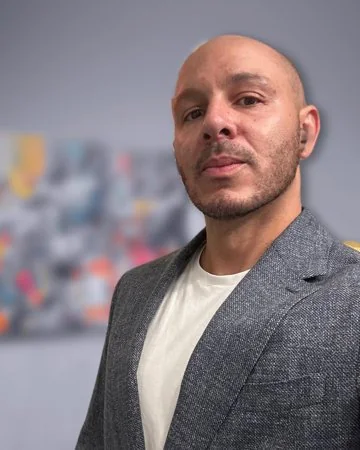
Jason Mezydlo is Managing Sales Partner at Gordon Realty Partners and has worked in New York City real estate since 2012. A graduate of the Harrington College of Design with a BFA in interior design, he brings a designer’s eye to every search, helping clients see what a space can become before they sign. Jason began his career in commercial leasing, guiding small business owners through site selection, lease negotiation and space planning, before moving into Manhattan’s luxury rental market and home sales across Manhattan and Brooklyn. A longtime Brooklyn resident, he pairs market expertise with a deep love for the city’s history, art and architecture.
347.286.5797 · jason@gordonrealtypartners.com · JasonMezydlo.com · @JasonMezydlo
Gordon Realty Partners · 622 3rd Avenue, New York, NY · NYS Licensed Real Estate Salesperson